PadyaKalikasan:
Ipadyak para sa Kalikasan
The official bike-sharing platform for Caraga State University. Locate, scan, and ride instantly with our integrated map and geofence management.
How to Ride
1. Locate
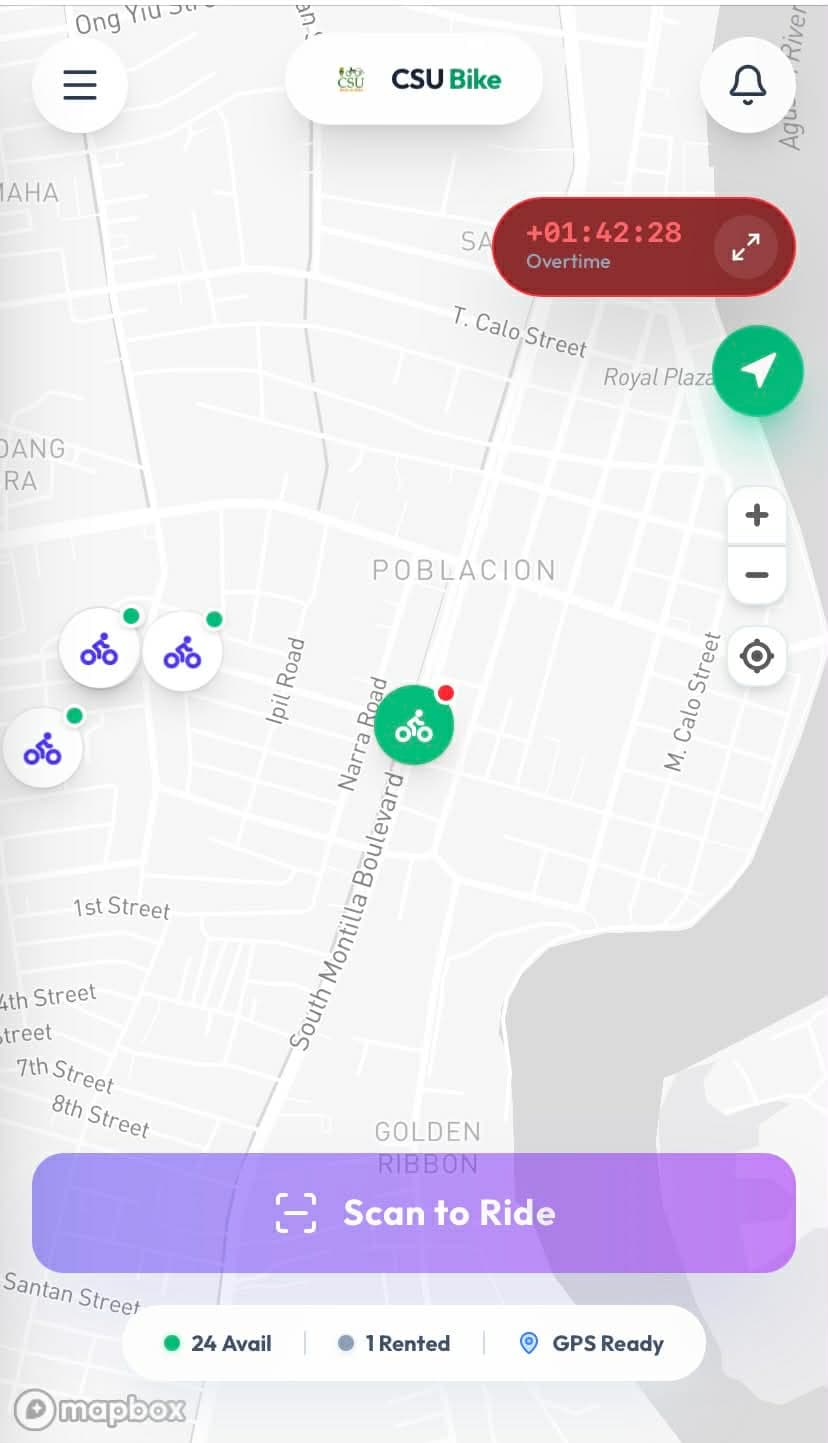
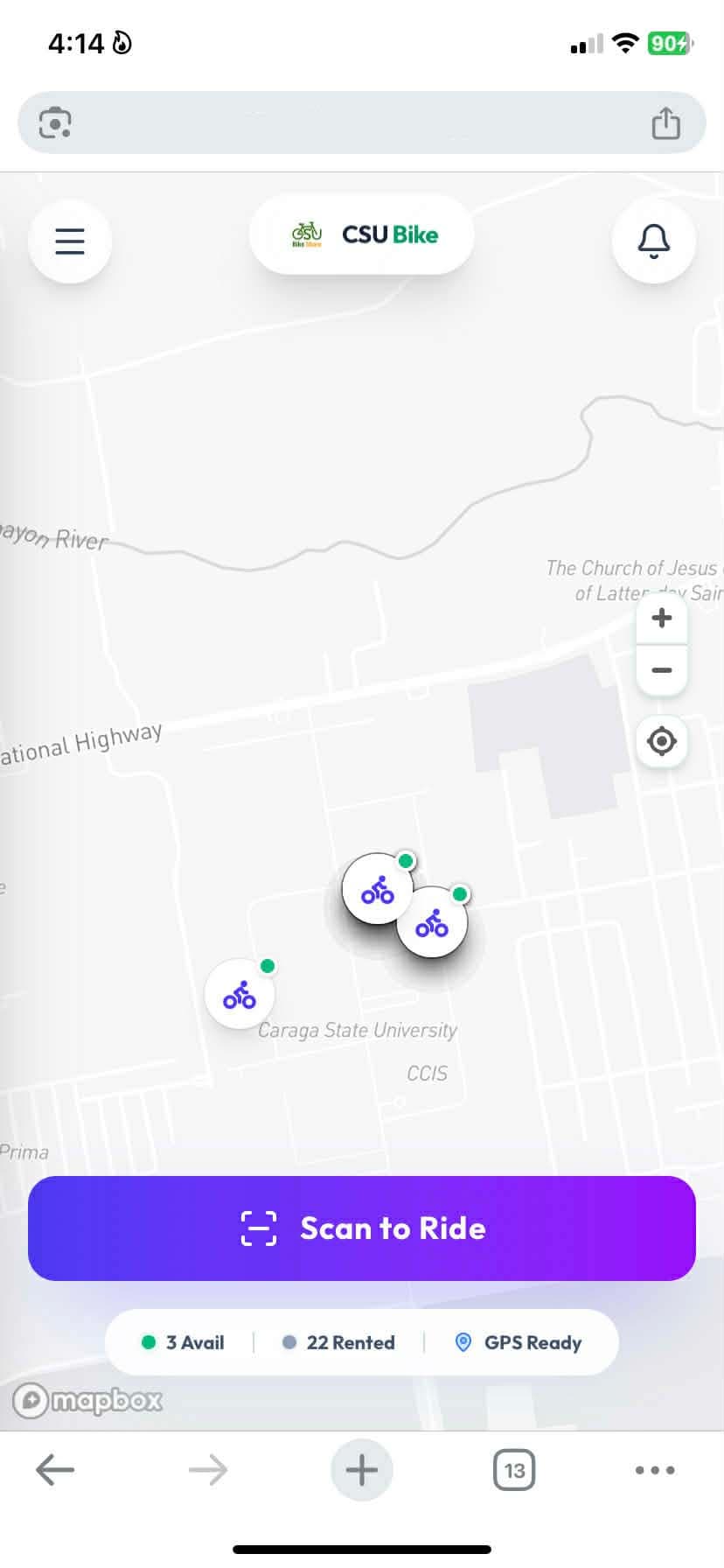
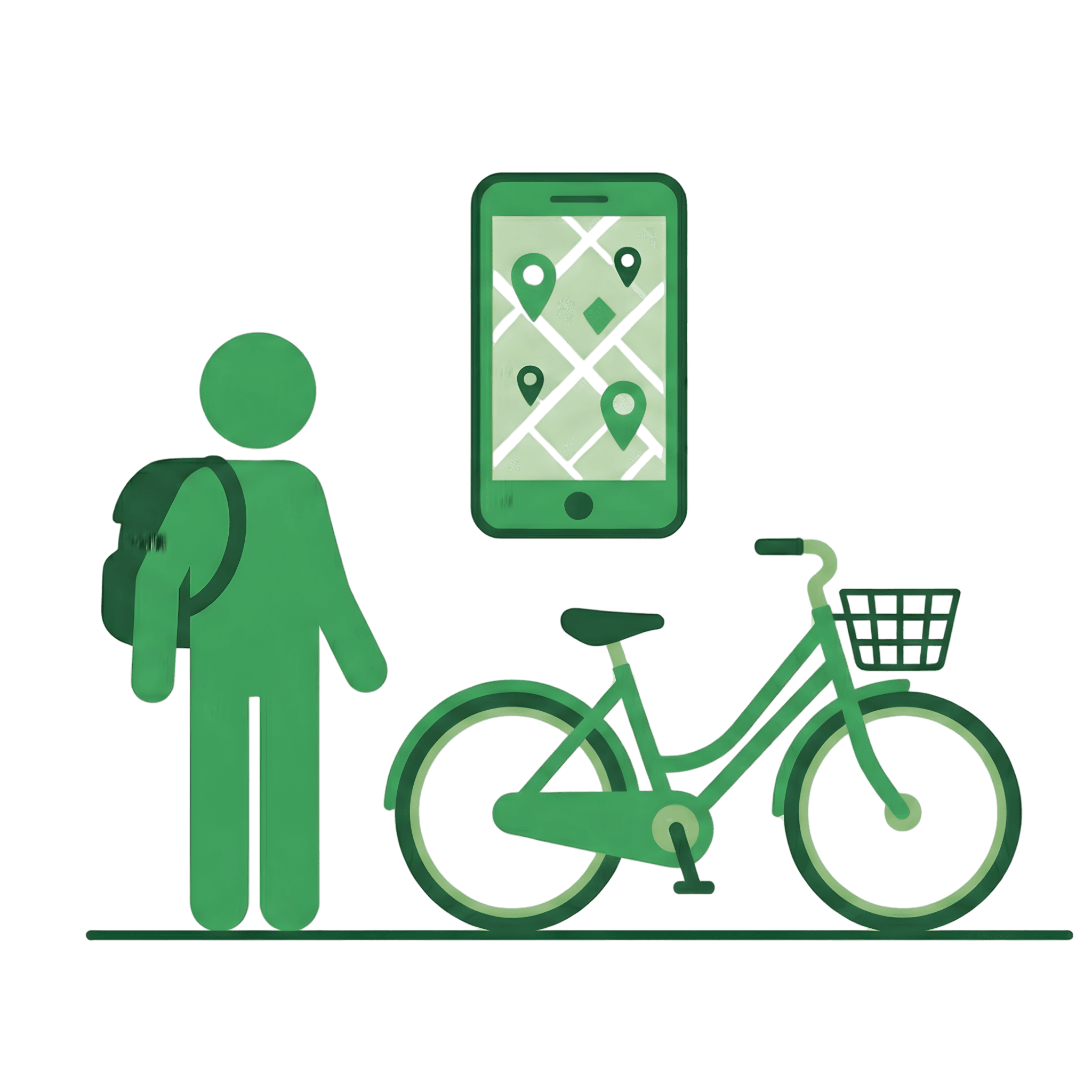
Find an available bike on the map or at a designated station.
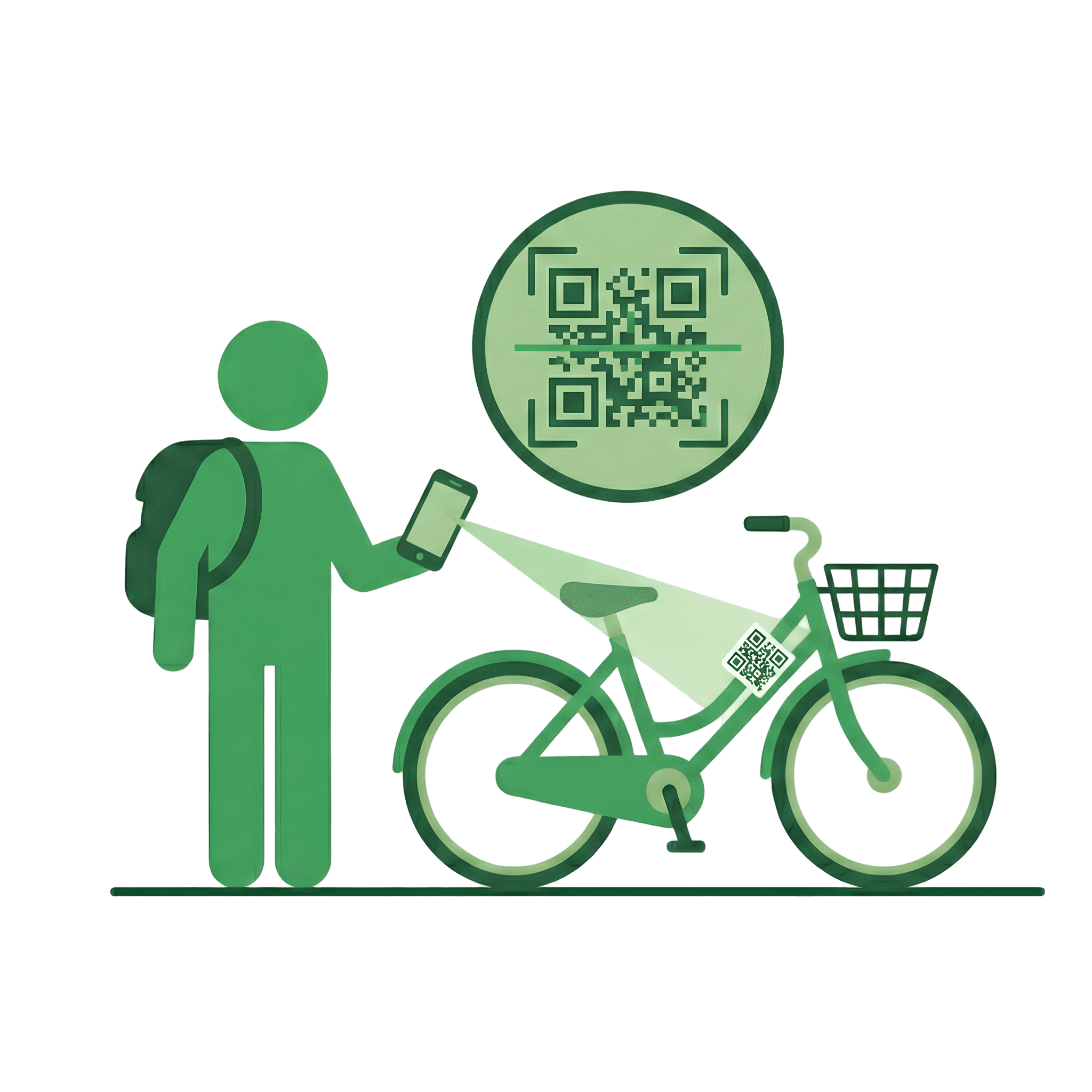
2. Scan
Tap "Scan to Ride" and point camera at QR code, or enter ID manually.
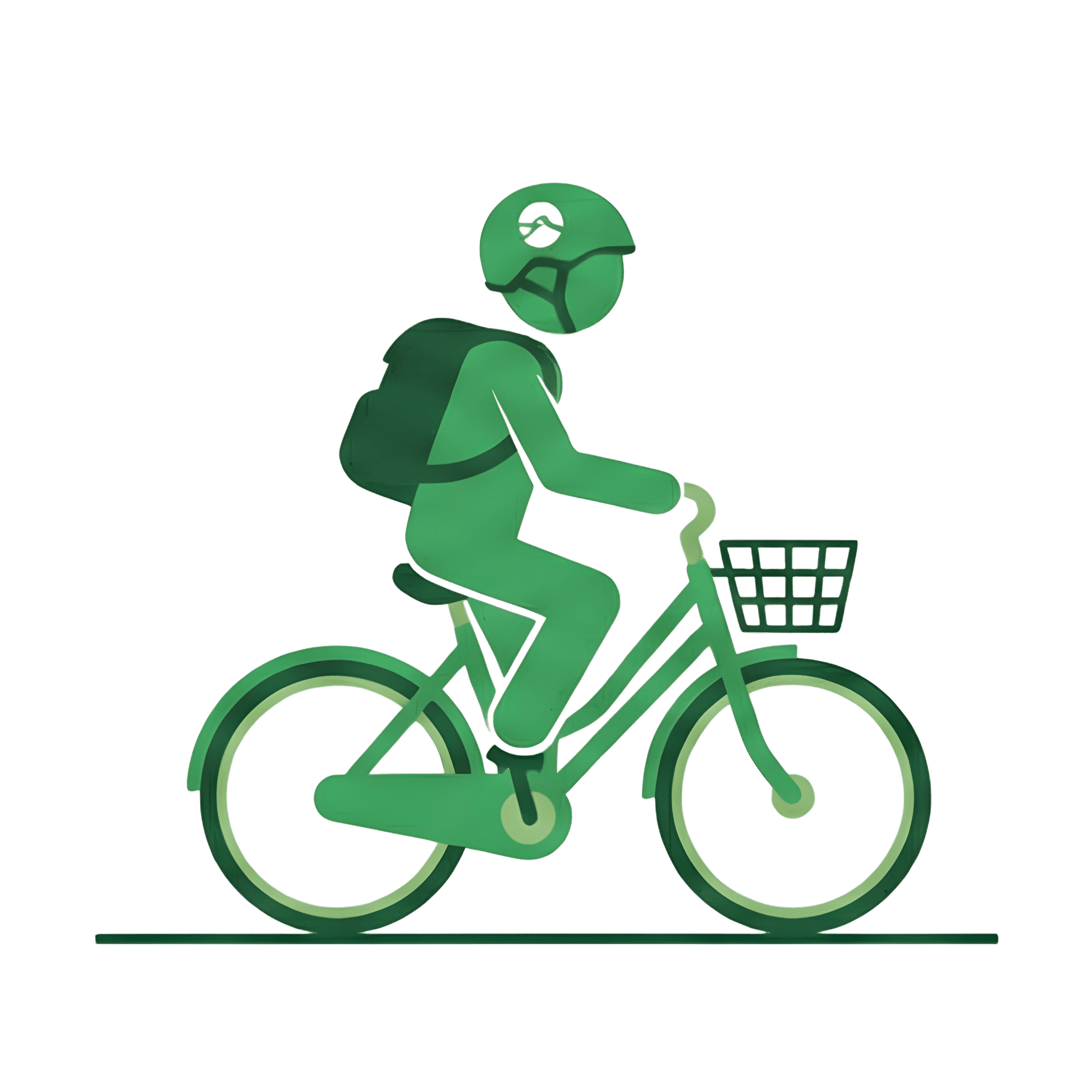
3. Ride
Enjoy your trip around campus! Keep the app open to track your time.
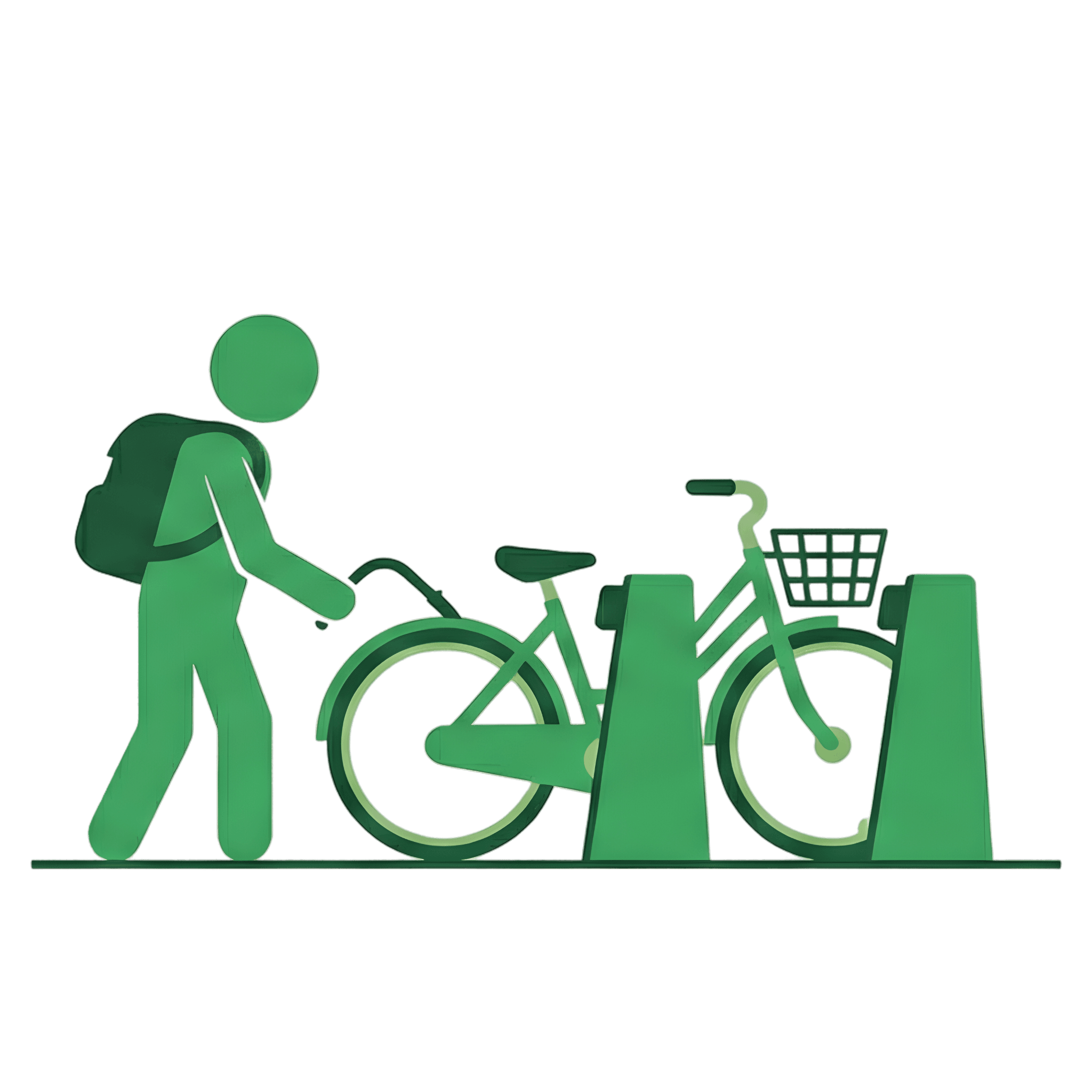
4. Return
Park at a designated station and tap "End Ride" to return the bike.
Community Stories
Impact updates from our stakeholders and partners.
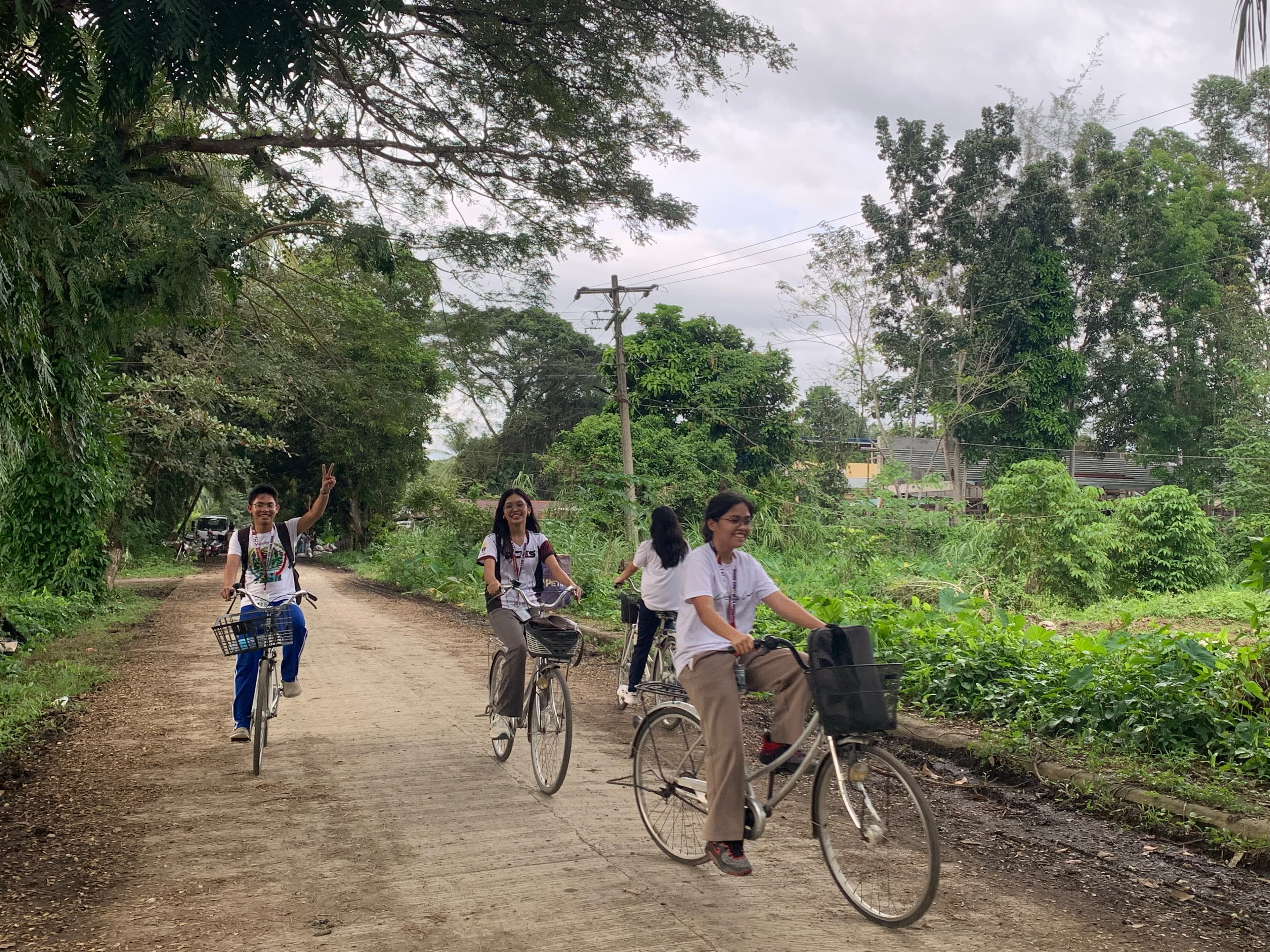
CSU Bike-Sharing System records 407 rides, continues to reduce campus emissions despite semester break
The PadyaKalikasan Bike-Sharing System at Caraga State University (CSU) continued to promote sustainable mobility from October to December 2025, recording 407 bicycle rides despite reduced campus activity during the period. According to monitoring data gathered under the University Sustainable Mobility Program (USMP), the recorded rides helped avoid an estimated 0.0379 metric tons of carbon dioxide (CO₂) emissions while reducing gasoline consumption by approximately 16.14 liters. These figures demonstrate the environmental benefits of choosing bicycles over motorized transport for short-distance travel within the university. The estimated gasoline savings and corresponding CO₂ emissions were calculated using the U.S. Environmental Protection Agency (EPA) Greenhouse Gas Equivalencies Calculator and tailpipe emission factors, providing a standardized method for measuring the environmental impact of active transportation. More information on the methodology is available through the EPA's Greenhouse Gas Equivalencies Calculator at https://www.epa.gov/energy/greenhouse-gas-equivalencies-calculator and the EPA Greenhouse Gas Emissions from a Typical Passenger Vehicle Fact Sheet at https://www.epa.gov/greenvehicles/greenhouse-gas-emissions-typical-passenger-vehicle. Although the total number of rides was lower than the 948 trips recorded from August to September 2025, the decline reflects seasonal and operational factors rather than reduced interest in the program. During the quarter, the bike-sharing system underwent routine maintenance and evaluation to improve service quality and ensure the long-term reliability of the bicycle fleet. The period also coincided with the university's semester break, when fewer students, faculty, and staff were present on campus. Implemented through the partnership between Caraga State University and iKilos Bayugan's PadyaKalikasan initiative, the bike-sharing system continues to encourage active transportation, reduce dependence on motorized vehicles, and contribute to the university's sustainability and climate action goals. As the system prepares for full operations following maintenance activities, the program is expected to continue providing an accessible, healthy, and environmentally friendly transportation option for the CSU community while reinforcing the university's commitment to low-carbon mobility.
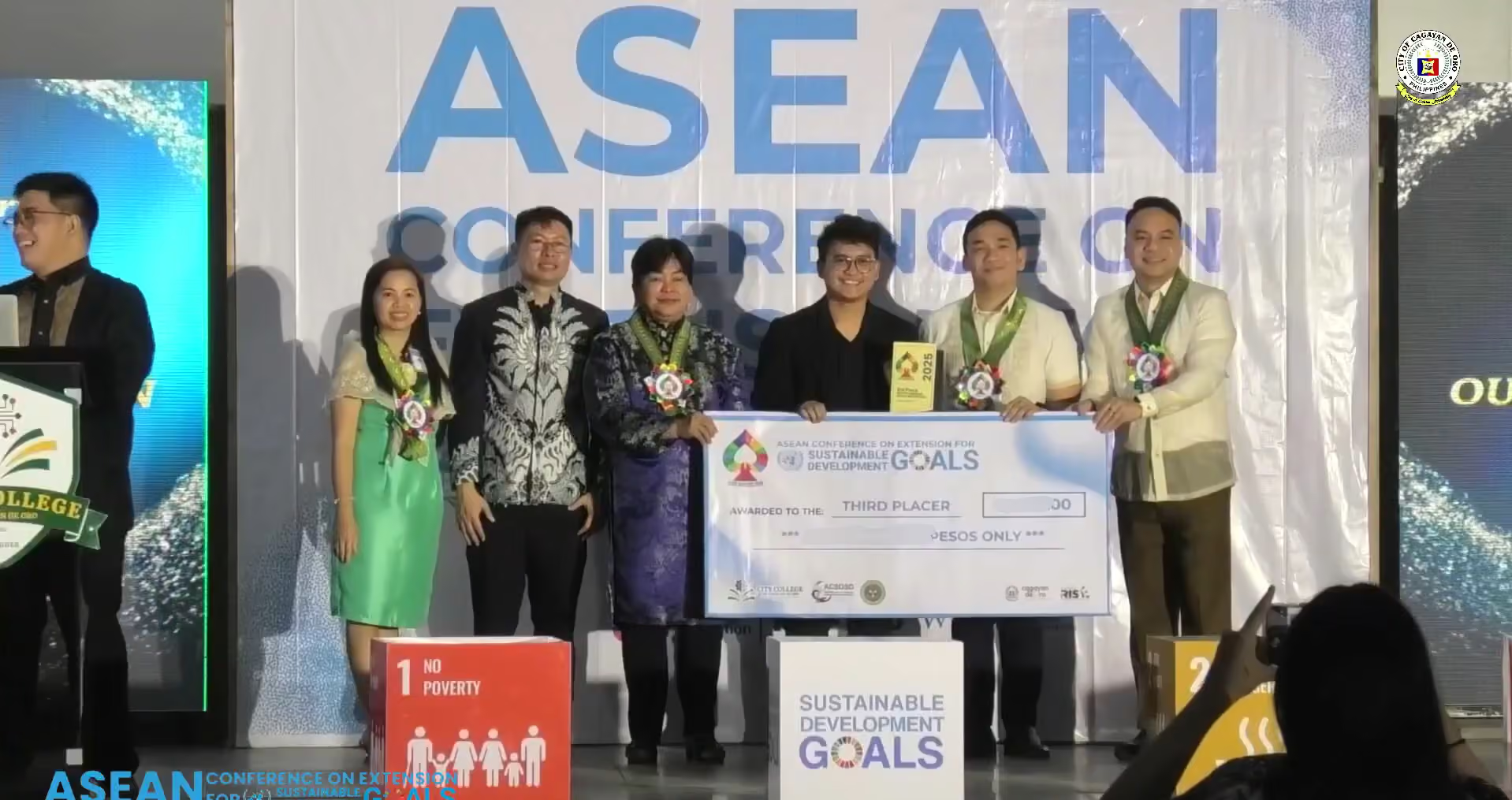
PadyaKalikasan wins 3rd Place in Planet Category at ASEAN Conference on Extension for SDGs
The PadyaKalikasan initiative of iKilos Bayugan was recognized for its contribution to environmental sustainability after securing Third Place in the Planet Category during the 1st ASEAN Conference on Extension for Sustainable Development Goals (SDGs) held on November 29 in Cagayan de Oro City. Hosted by the City College of Cagayan de Oro (CCCDO) under the leadership of President Dr. Jestoni Babia, the inaugural ASEAN conference gathered universities, academic institutions, and development partners from across the Philippines to showcase community extension initiatives that advance the United Nations Sustainable Development Goals (SDGs). PadyaKalikasan was recognized for its innovative approach to promoting active mobility, low-carbon transportation, and environmental stewardship through community-based bicycle programs, cycling infrastructure, environmental education, and partnerships with local governments and educational institutions. The initiative continues to demonstrate how sustainable transportation can contribute to healthier communities while reducing carbon emissions and encouraging climate-resilient development. The conference, themed "Bridging Education and the Community for Sustainable Futures in Southeast Asia," featured project presentations under four categories—Planet, People, Prosperity, and Institutional Development, promoting extension programs that create meaningful and measurable impacts within their respective communities. Throughout the event, participants engaged in plenary discussions, knowledge-sharing sessions, and collaborative exchanges focused on strengthening the role of higher education institutions and community organizations in localizing the Sustainable Development Goals. The conference concluded with the ceremonial signing of a multi-sectoral partnership agreement, reaffirming a shared commitment among participating institutions to build sustainable, inclusive, and climate-resilient communities across Southeast Asia.
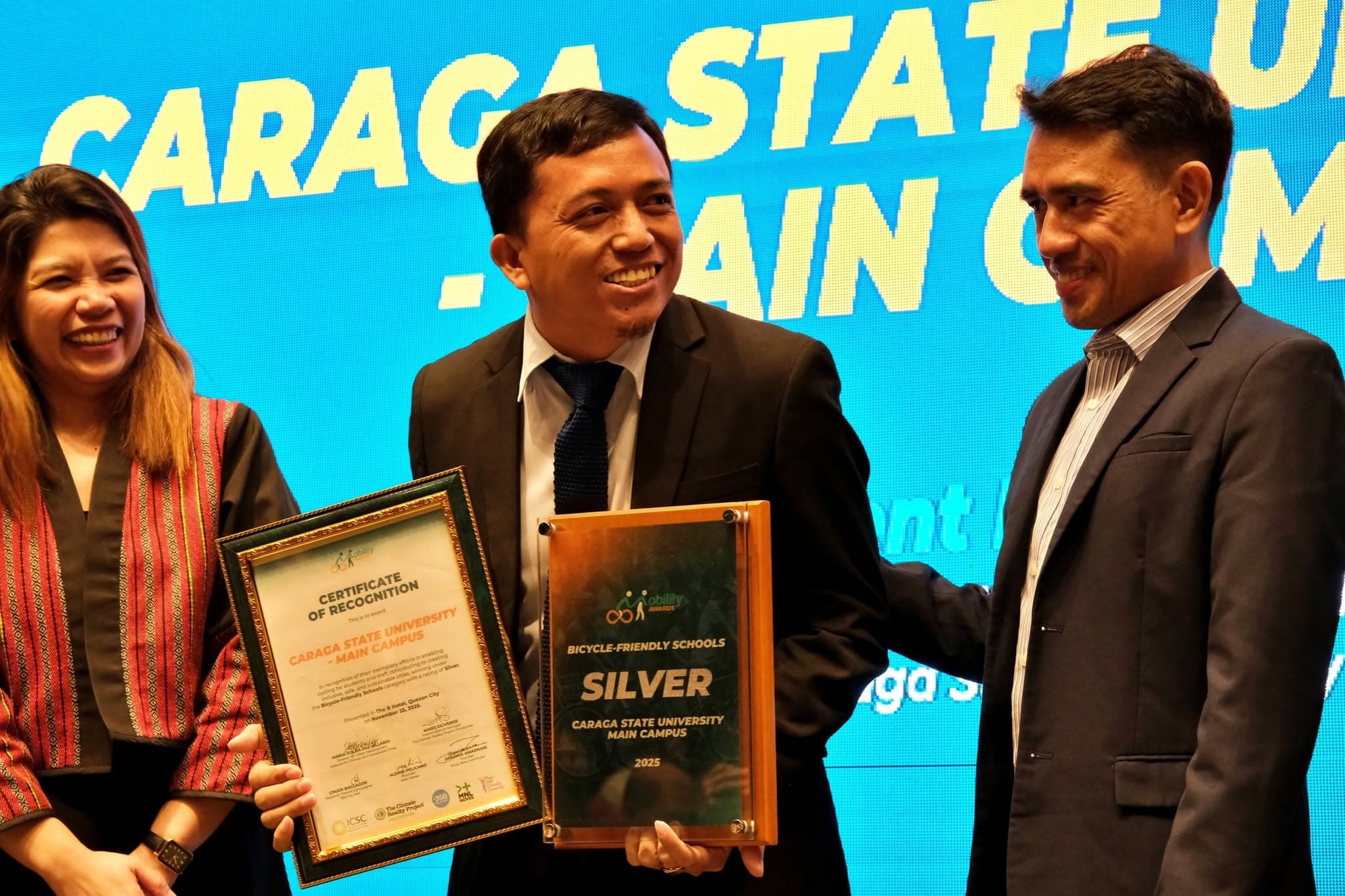
CSU PadyaKalikasan Bike-Sharing Program earns Silver Award at Mobility Awards 2025
The Caraga State University (CSU) bike-sharing Program has been recognized nationally after receiving the Silver Award at the Mobility Awards 2025, highlighting the university's continued commitment to sustainable transportation, active mobility and climate action. Presented during the celebration of National Bicycle Month at the B Hotel in Quezon City, the Mobility Awards recognize institutions, local governments and organizations that demonstrate leadership in promoting walking, cycling, and people-centered mobility across the Philippines. The award was received by Mr. Vincent N. Cotoron, Head of the Office of Campus Safety and Security (OCSS) – Pollution Control Unit, on behalf of Caraga State University. The OCSS–Pollution Control Unit has played a key role in implementing environmental initiatives and supporting the university's sustainable mobility efforts through policy development, mobility awareness campaigns, and climate-responsive programs. At the center of this recognition is the PadyaKalikasan Bike-Sharing Program, a flagship initiative that encourages students, faculty, and staff to choose bicycles for short-distance travel around the campus. The program provides accessible bicycles, designated bike parking facilities, cycling safety guidelines, sustainability information materials, and regular orientations that promote responsible and environmentally friendly transportation. Since its implementation, the bike-sharing system has demonstrated measurable environmental benefits by reducing fuel consumption, lowering carbon emissions, and encouraging active transportation as an alternative to motorized vehicles. Beyond its environmental impact, the program promotes healthier lifestyles, improves campus accessibility, and strengthens the university's commitment to creating a safer and more sustainable learning environment. The recognition also reflects the collaborative efforts of Caraga State University, the Office of Campus Safety and Security – Pollution Control Unit, and iKilos Bayugan, whose partnership has helped establish one of the region's pioneering campus-based bike-sharing systems. Together, the partners continue to expand active mobility initiatives through bicycle infrastructure, awareness campaigns, and data-driven program evaluation. The Mobility Awards recognition reinforces CSU's contribution to advancing the United Nations Sustainable Development Goals (SDGs), particularly SDG 3 (Good Health and Well-being), SDG 11 (Sustainable Cities and Communities), and SDG 13 (Climate Action). More importantly, it demonstrates how universities can become catalysts for sustainable transportation by integrating climate-conscious mobility into everyday campus life. As the PadyaKalikasan Bike-Sharing Program continues to grow, the Silver Award serves not only as recognition of past achievements but also as motivation to further improve sustainable mobility services and inspire more educational institutions to adopt active transportation as part of their commitment to environmental stewardship.
Safety First.
Always.
Follow the Guidelines
Control Your Speed
Ride at a comfortable pace. Be ready to stop for pedestrians.
Stay Alert
Keep an eye on your surroundings and watch out for obstacles, vehicles, and pedestrians.
Check Before Riding
Test the brakes and check tires before you pay. Report issues instantly.
Park Responsibly
Never block building entrances or wheelchair ramps. Use the racks in the designated areas.
Fees & Penalties
Transparent pricing for students and staff.
Rental Rates
Standard Pricing
Make sure to enter the correct reference code during payment.
Penalties
Strictly Enforced
Lost or Stolen Bike
If a bike is lost while under your rental ID, your Student Clearance will be blocked. Return the bike immediately to avoid further penalties.
Outside Geofence
Taking the bike outside CSU gates.
Blocking